Video to Video AI
Restyle or recast an existing video with one prompt. Keep camera and timing, pick a model, quote credits first, and download a private MP4.
- Text prompt on a source video
- Restyle · Recast · Keep motion
- Length follows the video
- From 51 credits
Use Video to Video
Video to Video examples
Keep-and-change demos: source video on the left, instruction result on the right. Try prefills the prompt and does not submit.
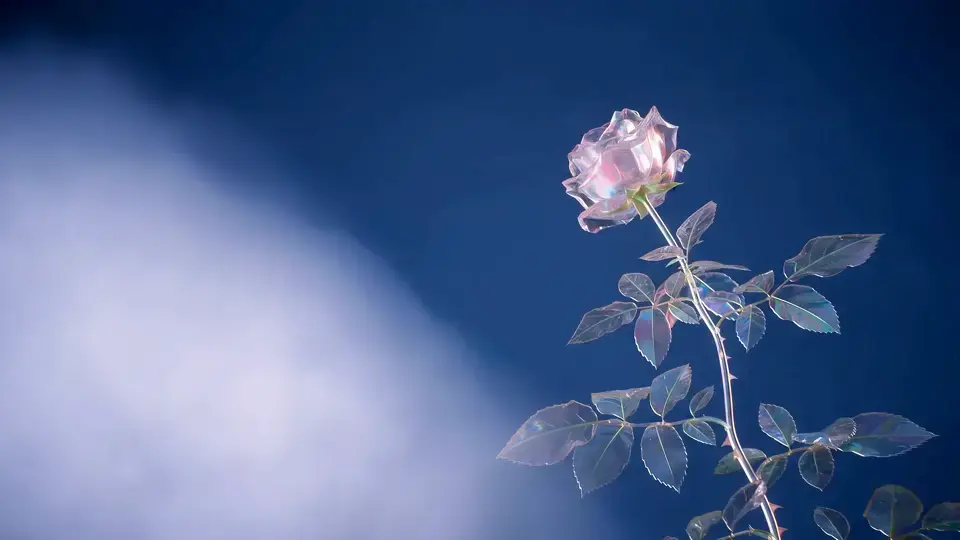
Restyle a rose into crystal
Prompt
Turn the rose into clear crystal. Keep the camera, scale, and timing the same.
Video to Video AI use cases
Keep the dance, restage the dancer
Hold choreography and timing when the performer and stage need to change.
Change the wardrobe, keep the faces
Restyle clothes while identity, camera, and timing stay locked.
Reveal a product in the hands
Keep the hands, table, and camera while a structure builds in the palm.
What Video to Video can do
Keep the motion on the video
Camera path, timing, and choreography stay on the source take unless you ask otherwise.
Change wardrobe or recast the subject
Swap clothes, recast who is on camera, or reveal a product in the same hands — without rebuilding the shot.
Restyle the setting around the take
Move the same performance into a new location or look. The take stays; the world around it changes.
Video to Video AI models


How to restyle a video with AI
1. Upload the source video
Start with a take you own or are authorized to edit. Generate stays disabled until a source video is attached. Add an optional look image if you have a face, outfit, or place to match.
2. Describe the change
Write what should change and what must stay — wardrobe, subject, or setting. Example: replace the cat with a dog; keep camera, background, and timing.
3. Generate and download
Confirm the credit quote, generate a private MP4, compare it with the source video, then download or run another pass on the same take.
Video to Video Pricing
Explore more AI tools
Animate an image, copy a performance onto a photo, or sharpen the restyled MP4.
Video to Video FAQs
What is Video to Video AI?
Video to Video restyles or recasts an owned video from a prompt. Change wardrobe, the subject, or the setting; camera and timing stay on the take unless you ask otherwise. MixVio returns a private MP4 whose length follows that video. It is not Image to Video, not Motion Control, and not a style-filter pack.
How do I restyle a video with AI?
Three steps in the generator on this page. 1) Upload the source video: a take you own or are authorized to edit. Generate stays disabled until a source video is attached. Add an optional look image if you have a face, outfit, or place to match. 2) Describe the change: write what should change and what must stay—wardrobe, subject, or setting. Example: replace the cat with a dog; keep camera, background, and timing. 3) Generate and download: confirm the credit quote, generate a private MP4, compare it with the source, then download or run another pass on the same take.
Is MixVio Video to Video free?
You need a MixVio account. New accounts receive 40 welcome credits valid for 7 days. Video to Video is available on the Free plan when you have enough credits for the quoted route. Failed runs cost no credits. MixVio does not offer a no-account or no-watermark trial.
How do credits work?
The default Kling 3.0 Omni route is billed by source length: 17 credits per second at 720p and 23 credits per second at 1080p. A 3-second 720p run is 51 credits. Wan 3.0 and Seedance 2.5 quote separately in the generator. Confirm the exact amount before you generate. Failed or cancelled tasks release the reservation.
What kinds of prompts work best?
Name one change and lock the rest. Keep camera, timing, and identity explicit, then request wardrobe, subject, or setting. Example: replace the cat with a dog; keep camera, background, lighting, and timing. Avoid a new shot, a longer video, motion that is not in the source, or a different look on each beat—this page applies one instruction to the whole take.
Upload the video.
Keep the rest of the take.
Upload a video you own, describe the change, confirm credits, and download a private MP4.
Start Video to Video